Building a house in Florida starts with understanding costs, site preparation, and finding the right professionals. This guide covers essential steps, from budgeting and securing permits to dealing with Florida’s unique climate and building codes.
Key Takeaways
- Building a house in Florida costs an average of $300,000, with expenses varying based on location, size, and materials.
- Key cost components include land acquisition, construction, materials, labor, and permits, which can significantly impact the overall budget.
- Navigating the building process involves careful planning, climate considerations, and choosing the right builder to ensure compliance and project success.
Understanding Costs to Build a House in Florida
Planning to build a house in Florida involves understanding the various costs. The total expenses can range significantly depending on several factors, including the size, style, and materials used. On average, building a house in Florida costs around $300,000, translating to approximately $142 per square foot.
These average costs can fluctuate based on location, with prices potentially increasing in sought-after neighborhoods or coastal areas. Additional expenses such as land acquisition, site preparation, and permitting fees can further impact your budget, often exceeding the national average cost.
Each of these cost components will be examined in detail.
Average Construction Costs
Construction costs are one of the most significant expenses when building a new house. The average cost to construct a home in Florida ranges from $240,000 to $350,000. This translates to about $110 to $135 per square foot for a basic home.
However, building a custom home can cost between $275,000 and $575,000, depending on various factors such as design complexity and material quality. Labor costs also play a crucial role, ranging from $34 to $50 per square foot.
Creating a detailed construction budget based on these costs will help manage finances effectively during the building process.
Land Acquisition Costs
Acquiring land is the first step in the home-building process, and land costs can vary widely in Florida. Prices typically range from $5,000 to $150,000, depending on the location and features of the lot. For instance, oceanfront lots can exceed $500,000 per acre due to high demand.
Selecting a plot requires considering factors like flood zones, especially in coastal areas, as these can significantly affect land value. The average cost per acre in Florida ranges from $30,000 to over $50,000, illustrating the variation based on location.
Land and Site Preparation Expenses
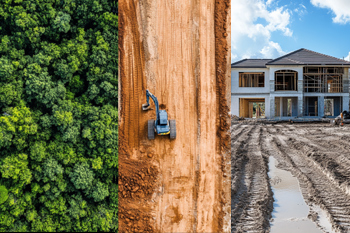
Before construction can begin, the site must be prepared, which involves several critical steps. Excavation costs in Florida typically range from $2,000 to $10,000.
According to 72 Tree Removal, tree removal and grading the land ensures proper water flow, prepares the land for construction and landscaping, and is an essential step to avoid potential foundation or property damage issues later on.
The estimated foundation costs per square foot for building a house in Florida are between $5 and $7. Proper site preparation, including exterior grading and rough-in work for utilities, ensures a smooth construction process.
Breakdown of Material Costs
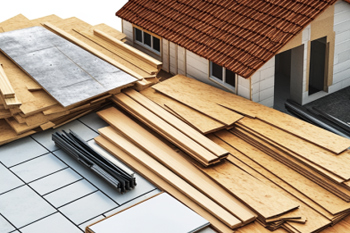
Material costs are a significant component of the overall home-building budget, often comprising about 50% of the total expenses. On average, around $150,000 is invested in materials when constructing a house in Florida. These costs can vary based on the quality, brand, and market conditions of the materials.
From framing and lumber to roofing and interior finishes, understanding the breakdown of material costs can help you make informed decisions and stay within your construction budget.
Framing and Lumber Costs
Framing and lumber are essential components of home construction, providing the structural integrity and framework for the house. The cost of framing a house typically ranges from $11 to $30 per square foot. These costs can fluctuate based on the type and quality of lumber used, as well as the complexity of the design.
High-quality framing materials ensure the durability and stability of your new home.
Roofing and Siding Costs
Roofing and siding are critical for protecting your home from the elements and enhancing its aesthetic appeal. According to Roofing The Villages, the installation costs for a new roof in Florida range from $6,000 to $18,000, depending on the material used. The average cost of siding installation is between $4 to $13 per square foot. Overall expenses can total anywhere from $8,000 to $26,000.
The materials chosen for roofing and siding significantly impact your overall budget and the longevity of your home.
Interior Finishing Materials
Interior finishing materials add the final touches to your new home, making it comfortable and aesthetically pleasing. Popular flooring options in Florida include hardwood, laminate, and wood-look luxury vinyl plank (LVP), with costs ranging from $4 to $15 per square foot.
Cabinets and countertops are other major expenses, with cabinets costing between $150 to $500 per linear foot and countertops ranging from $50 to $150 per square foot. The overall budget for interior finishes in a 2,000 square foot home can reach around $20,000.
Labor Costs and Hiring Professionals
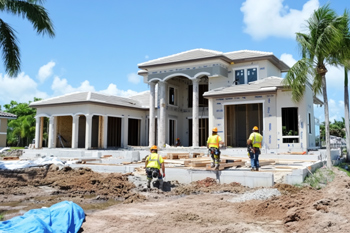
Labor costs are another significant component of home construction expenses. Setting a detailed budget is crucial, as construction costs can vary widely across Florida. Hiring a contractor who can manage the project, order materials, and coordinate the work of subcontractors is essential for a smooth construction process.
Let’s explore the roles and costs associated with hiring professionals for your home-building project.
General Contractor Fees
A general contractor plays a pivotal role in the home construction process, coordinating the project, ordering materials, and hiring subcontractors. Typically, general contractors charge fees amounting to 10% to 20% of the total construction costs.
Choosing a contractor with experience in Florida’s unique conditions can help streamline the building process and ensure compliance with local building codes.
Specialized Labor Costs
Specialized labor costs cover tasks such as plumbing, electrical and plumbing work, and HVAC installation. Plumbing installation in a new home generally costs between $8,000 and $12,000. Electrical wiring costs can vary based on the complexity of the system and the size of the house.
Professional installation of these systems, adhering to Florida’s codes, is crucial for safety and compliance.
Permitting and Inspection Fees
Obtaining the necessary permits and passing inspections are critical steps in the home-building process. Building permits in Florida can cost anywhere from $10 to $500, depending on the specific requirements and locality.
New homes must undergo several inspections to ensure compliance with local building codes, which can add to the timeline and overall budget. Working with a builder familiar with local regulations can help navigate this process smoothly.
Financing Your Home Construction
Financing a home construction project requires careful planning and consideration of various options. From construction loans to home equity loans and government assistance programs, there are several ways to fund your dream home. Understanding these options and their requirements can help you make informed decisions and manage your construction budget effectively.
Construction Loans
Construction loans are a popular financing option for building a new house. Typically, a down payment of 10% of the project cost is required, and the minimum credit score needed is above 480. It’s advisable to reserve at least 10% of your budget for unforeseen expenses during construction.
Builders often provide incentives to buyers who work with their preferred lenders, which can be advantageous.
Home Equity Loans
Home equity loans allow homeowners to leverage their property’s value to finance new construction projects. These loans can cover all or part of the construction costs, making them a viable option for those with significant home equity.
Understanding the terms and conditions of home equity loans is essential for managing your finances effectively.
Government Assistance Programs
Florida offers various government assistance programs aimed at reducing the financial burden for first-time home builders. These programs can provide valuable support, especially for those who meet specific eligibility criteria.
Exploring available assistance options can help you secure additional funding and make your home-building dream a reality.
Navigating the Building Process in Florida
Navigating the building process in Florida involves several steps, from selecting the right builder to designing your dream home and considering climate-specific factors. The construction process typically takes between 4 to 12+ months, influenced by factors such as permit processes, site readiness, and weather conditions.
Understanding these steps and planning accordingly can help ensure a smooth and successful home-building experience.
Choosing the Right Builder
Selecting the right builder is key to the success of your home construction project. Consider factors such as specialization in your desired house type, reviews, references, and portfolio when selecting a builder. The common types of home builders include custom builders, production builders, and specialist builders.
Hiring a realtor can also assist in the selection process, providing support and ensuring that timelines are met. Requesting a written contract detailing material types, labor costs, and schedules can help avoid misunderstandings.
Designing Your Dream Home
Designing your dream home offers the advantage of complete customization, allowing you to create a space tailored to your preferences and needs. According to ICI Homes, factors influencing the choice of a floor plan include lot compatibility, sun orientation, tree presence, and community plans.
Building a custom home can avoid potential renovation costs associated with existing homes and provide the ultimate personalization.
Climate Considerations
Florida’s climate presents unique challenges that must be considered during the home-building process. Materials that can withstand high heat and humidity, like impact-resistant windows and wind-resistant construction techniques, are essential.
Compliance with local building codes, especially in hurricane-prone areas, is critical to avoid costly modifications and delays. Incorporating flexible scheduling can help mitigate weather-related delays and ensure a smooth construction process.
Common Challenges and Solutions
Building a home in Florida can present various challenges, from high costs and budget overruns to weather delays and code compliance issues. Understanding these challenges and implementing effective strategies can help ensure a successful construction project.
Proactive risk management, clear communication, and regular project assessments are crucial to mitigating budget overruns and keeping the project on track. Let’s explore some common challenges and their solutions.
Dealing with Weather Delays
Florida’s weather, particularly during hurricane season and summer storms, can lead to significant construction delays. Rain and extreme heat can affect construction productivity and worker safety.
Incorporating weather forecasts into the schedule and choosing weather-resistant materials help anticipate and plan for potential weather-related interruptions. A flexible construction schedule allows for shifts in labor and timelines in response to weather conditions.
Managing Budget Overruns
Managing your construction budget is crucial to avoid financial strain and ensure the successful completion of your project. Preparing a contingency fund can help address unforeseen expenses that may arise during construction.
New homes often feature modern energy-efficient designs, potentially reducing long-term maintenance costs. Regular project assessments and clear communication with your contractor help keep the project within budget.
Ensuring Code Compliance
Code compliance is essential to avoid delays and potential fines. A final inspection must take place to obtain a certificate of occupancy before moving into a new home. If code violations are found during the final inspection, a follow-up inspection is required to address them.
City inspectors play a critical role during the foundation stage by scheduling inspections to ensure compliance with building codes. Regular consultations with a knowledgeable contractor can help ensure adherence to local regulations throughout the building process.
Is It Cheaper to Build or Buy in Florida?
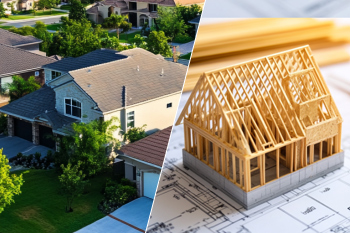
Determining whether it is cheaper to build or buy a house in Florida depends on various factors. Building a house provides significant benefits. One advantage is the ability to personalize every aspect, while another is the avoidance of potential renovation expenses.
On the other hand, buying an existing home can be a faster option and often comes with established neighborhoods and amenities. Let’s delve into a detailed cost comparison and explore the pros and cons of building versus buying.
Cost Comparison Analysis
Typically, buying an existing home in Florida is less expensive than constructing a new one. This trend is common in the state. The median sale price for single-family homes in Florida is approximately $423,500, while the general contractors typically charge between 10% to 20% of the final build price. Existing homes can often be less expensive than new constructions, depending on the market.
Knowing the associated costs and market demand helps make an informed decision.
Pros and Cons of Building
Building a house offers several advantages, such as ultimate personalization and the ability to create a unique space tailored to your preferences. It also avoids potential renovation costs associated with existing homes.
However, building a home can be more expensive and time-consuming than buying, with higher costs and longer timelines.
Pros and Cons of Buying
Purchasing an existing home can be a faster and often less expensive option compared to building from scratch. Existing homes often come with established neighborhoods, providing a sense of community and access to amenities.
However, one disadvantage of buying an existing home is the potential need for renovations, which can add unexpected costs and time.
Home Building in Florida Summary
Building a house in Florida involves several considerations, from understanding costs and financing options to navigating the building process and overcoming challenges. By thoroughly planning and budgeting, selecting the right professionals, and considering Florida’s unique climate and regulations, you can successfully build your dream home. Whether you choose to build or buy, understanding the pros and cons of each option will help you make an informed decision. Embrace the journey, and soon, you’ll be enjoying your brand-new home in the Sunshine State.
Frequently Asked Questions
What is the average cost to build a house in Florida?
The average cost to build a house in Florida is around $300,000, or approximately $142 per square foot. This figure can vary based on location and specific building requirements.
How much does land cost in Florida?
Land costs in Florida generally range from $5,000 to $150,000, with prices influenced by factors such as location and specific lot features. It’s essential to research local markets for more accurate pricing based on your needs.
What are the typical costs for site preparation in Florida?
Typical costs for site preparation in Florida usually range from $2,000 to $10,000 for excavation, while foundation expenses average between $5 and $7 per square foot. This provides a clear financial outline for your project planning.
What are the benefits of building a custom home in Florida?
Building a custom home in Florida allows for ultimate personalization, ensuring your living space meets your specific needs and preferences. This approach can also help you avoid the renovation costs often linked with purchasing existing properties.
Are there government assistance programs for first-time home builders in Florida?
Yes, Florida provides several government assistance programs to help first-time home builders with financial support and resources.