 Heating a tiny house can be challenging due to its limited space and unique design. In this domestic-construction.com article, we’ll explore efficient heating options for your tiny home, how to maximize energy efficiency, and important safety considerations to keep your heating tiny house warm and comfortable.
Key Takeaways
- Tiny homes require efficient heating solutions tailored to their compact size, addressing challenges like insulation limitations and the need for safe operation.
- Popular heating options for tiny houses include electric heaters, radiant floor heating, wood stoves, heat pumps, and ductless mini-split systems, each with unique benefits and space requirements.
- Maximizing energy efficiency in tiny home heating involves enhancing insulation, using smart thermostats, and integrating solar power, contributing to cost savings and sustainability.
Understanding Tiny House Heating Challenges
Tiny houses have unique heating needs compared to traditional homes, requiring efficient and compact heating solutions. Typically, tiny homes are under 500 square feet, necessitating tailored heating solutions that fit within their limited space. Effective heating systems are crucial, especially in colder climates, to maintain comfort and control humidity. However, achieving the right balance between heating efficiency and space constraints can be quite challenging.
One of the primary challenges in tiny house heating is calculating the BTUs (British Thermal Units) needed to warm the space effectively. Getting this calculation right is essential because too much heat can lead to energy waste, while too little can result in discomfort and poor efficiency. Additionally, tiny homes face unique challenges due to design constraints and insulation limitations, making maintaining an ideal temperature difficult. Flexible, efficient heating and cooling systems are vital for year-round comfort in these compact living spaces.
Safety and reliability are paramount when selecting heating systems for tiny homes. Proper safety measures must be in place to prevent hazards such as fires or carbon monoxide poisoning. This includes ensuring proper ventilation and adhering to guidelines for safely operating various heating systems.
Factors like size, location, budget, design, and mobility significantly influence heating and cooling choices for tiny homeowners. With these challenges in mind, let’s explore some of the most efficient heating options available for tiny homes.
Efficient Heating Options for Tiny Homes
 Given the unique constraints of tiny houses, selecting the right heating option is crucial for maintaining comfort and efficiency. Tiny homes typically lack adequate space for ductwork and proper insulation, complicating heating and cooling. However, several efficient heating solutions can address these challenges effectively.
There are various heating options to suit different needs and preferences:
- Electric heaters
- Radiant floor heating systems
- Wood stoves
- Heat pumps
- Floor heat
Each method comes with trade-offs between efficiency, cost, and space requirements. Integrating these systems with sustainable energy sources, such as solar panels, can further enhance their efficiency and reduce reliance on traditional energy sources.
Exploring each heating option reveals its respective benefits and drawbacks.
Electric Heaters
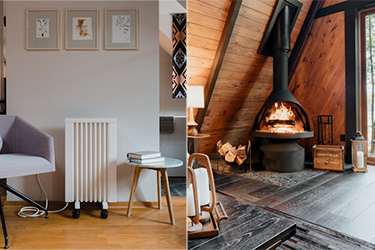
Electric heaters are a popular choice for tiny house heating due to their affordability, portability, and effectiveness. These heaters come in various styles, including wall-mounted units, portable space heaters, and electric fireplaces, making them adaptable to different tiny home layouts. Electric radiant heaters, in particular, are efficient for warming people rather than air, making them suitable for tiny homes where space is at a premium.
While electric heaters provide effective warmth, they are effective as supplementary heat sources rather than primary systems. Gas or electric fireplaces can add extra heating, but are typically not the main heating solution.
For those seeking individual temperature control, Packaged Terminal Air Conditioning (PTAC) units offer flexibility in heating small spaces. However, it’s important to consider the potential for hefty energy bills with prolonged use of electric heaters.
Radiant Floor Heating
Radiant floor heating provides consistent warmth from the ground up, making it an ideal choice for tiny house heating. These systems work by warming objects directly with infrared radiation, which provides longer temperature retention compared to traditional air heating systems, which can cool down quickly once the heating stops. This method of heating is both efficient and comfortable, as it eliminates the occurrence of cold spots. Additionally, a radiant floor heat system can enhance the overall comfort of your tiny house.
Electric floor heating systems consist of components like heat cables, a thermostat, and temperature sensors, and they do not require additional space for equipment. This makes them a space-saving choice for tiny homes that utilize electric heat.
However, improper installation can make radiant floor heating highly inefficient, with failures potentially occurring within the first year. Therefore, careful planning and professional installation are crucial for maximizing the benefits of this heating system.
Wood Stoves
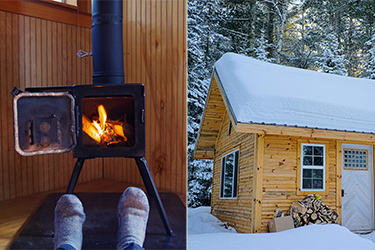
Wood stoves provide a natural heat source and are highly efficient for heating small spaces in tiny homes. These stoves are a popular, traditional heating option valued for their ability to provide consistent, reliable warmth. Wood stoves not only add a rustic charm to tiny homes but also offer an eco-friendly heating solution by utilizing renewable wood heat resources.
However, using a wood stove requires proper ventilation to ensure safe operation and prevent the buildup of harmful gases. Regular maintenance and cleaning are essential for wood-burning stoves to keep them functioning efficiently and safely.
Additionally, wood stoves can take up valuable floor space, so careful placement and planning are necessary to maximize space utilization in a tiny home.
Heat Pumps
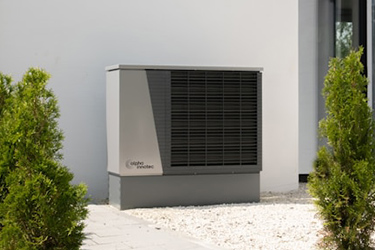 Heat pumps, including ductless mini-split systems, offer a versatile solution for tiny house heating and cooling. These systems are particularly effective for stationary tiny homes, providing year-round comfort by switching between heating and cooling modes. Heat pumps work by absorbing indoor heat and releasing it outside during the cooling process, and vice versa during heating.
One of the main advantages of mini-split systems is their ability to create multiple zones for personalized temperature control. However, a challenge with using heat pumps in tiny homes is ensuring even heating throughout the space without creating hot or cold spots.
Despite this, the efficiency and adaptability of heat pumps make them an affordable option for tiny homeowners looking for an adaptable heating solution.
Comparing Heating Systems for Tiny Houses
Tiny homes face unique heating challenges due to their small size, insulation limitations, and design constraints. Limited space prevents the installation of bulky HVAC units or extensive ductwork, making it essential to find compact and efficient heating solutions. Effective heating and cooling are vital in tiny homes to ensure comfort and avoid issues related to temperature consistency and energy efficiency.
Common heating solutions for tiny homes include:
- Ductless mini split systems
- Window ACs
- Portable heatersEach of these options has its benefits and drawbacks, depending on factors such as space, budget, and climate.
For areas with cold winters and hot summers, a combination HVAC unit that offers both heating and cooling solutions can be cost-effective. Portable space heaters and window unit air conditioners are also popular choices, but they come with their own set of challenges, such as taking up storage space and blocking natural light. An AC unit can be an effective option for those looking to manage temperature efficiently, especially when paired with an outdoor unit, balancing hot and cold air, and providing one unit of comfort in a mild climate.
Let’s compare some of these heating systems in more detail.
Ductless Mini Split Systems
Ductless mini-split systems are designed for ductless temperature control, making them ideal for the compact nature of tiny homes. These systems provide both heating and cooling, offering a versatile solution for year-round comfort. The indoor units can be mounted on floors, ceilings, or walls, providing installation flexibility to suit different layouts.
Mini split systems are recognized as the best option for heating and cooling tiny homes efficiently, as they require no space-consuming ductwork. They can create a single indoor unit or multi-zones, allowing for tailored comfort and better air circulation throughout the tiny home, including the refrigerant lines. Additionally, mini-splits can improve overall heating and cooling efficiency.
Due to their efficient and space-saving designs, ductless mini-split systems are an excellent heating solution for tiny homes.
Pellet Stoves
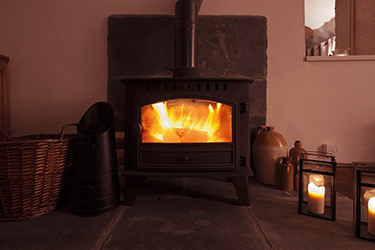 Pellet stoves are recognized for their eco-friendly operation, utilizing compressed wood or biomass pellets as fuel. These stoves are a good choice for cooler climates, providing a reliable and consistent heat source. However, proper installation and regular maintenance checks are essential to ensure safe operation in tiny homes. A pellet stove can be an excellent addition for those seeking efficient heating solutions.
Regular maintenance of wood stoves and pellet stoves is vital to prevent fire hazards in tiny homes. While pellet stoves offer an eco-friendly heating option, they require a dedicated storage space for the pellets and can take up valuable floor space. Despite these considerations, pellet stoves remain a popular choice for their efficiency and sustainability.
Radiant Heat vs. Forced Air
Radiant heating systems provide a more uniform warmth throughout the space, reducing the occurrence of cold spots compared to forced air systems. This consistent temperature control makes radiant heating an attractive option for tiny homeowners seeking efficient, comfortable heating.
Forced-air systems, while effective, can create uneven heating and require space-consuming ductwork, making them less ideal for tiny homes and allowing warm and hot air to escape.
Maximizing Energy Efficiency in Tiny Home Heating
Maximizing energy efficiency in tiny home heating is crucial for reducing energy consumption and lowering heating costs. Key strategies include:
- Enhancing insulation and sealing gaps to significantly reduce heat loss, leading to substantial savings on energy bills.
- Utilizing smart thermostats to maintain a consistent and comfortable temperature while minimizing energy usage.
- Integrating solar power with heating systems to allow for sustainable power generation, reducing reliance on traditional energy sources, and achieving long-term cost savings.
Effective energy-efficiency strategies include using high-quality insulation materials, sealing leaks, and installing energy-efficient appliances. Windows and doors contribute to the loss of heated air, so ensuring they are properly sealed is vital for heating efficiency.
Examining these strategies in more detail reveals their impact on energy efficiency.
Insulation and Sealing
Enhancing insulation can lead to a significant reduction in heating expenses by approximately 30%. High-quality insulation materials, such as rigid foam, can effectively manage temperature even in spaces with limited wall thickness. Proper insulation dramatically reduces heat transfer, making it a crucial component of energy-efficient tiny home heating.
To significantly lower heating costs and enhance insulation efficiency in tiny homes, consider the following:
- Seal leaks effectively to reduce heat loss before applying insulation.
- Utilize energy-efficient appliances to lower heating costs.
- Address common thermal bridging areas such as metal wall studs and trailer frames.
Smart Thermostats
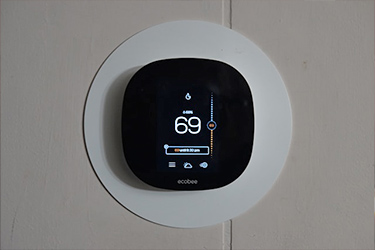 Smart thermostats ensure that heating systems run when needed, maintaining a consistent temperature in tiny homes. These devices offer several benefits:
- Adapt to user habits, reducing energy usage while maintaining desired home temperatures.
- Optimize energy consumption by adjusting heating patterns based on occupancy and weather conditions.
- Provide a cost-effective solution for tiny homeowners.
Using smart thermostats can significantly improve heating efficiency, as they provide precise control over temperature regulation in the heating system. This not only enhances comfort but also contributes to lower energy bills and reduced environmental impact.
Solar Power Integration
Tiny houses typically consume significantly less electricity than standard homes, making solar power systems easier and more cost-effective to implement. Incorporating solar energy enables tiny house owners to embrace mobile off-grid living, providing independence from utility companies and reducing vulnerability to power outages.
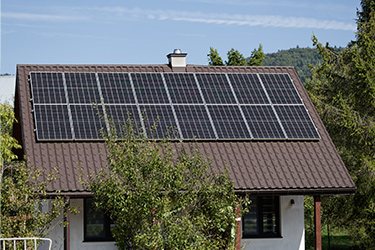 Using solar power aligns with the eco-friendly values often embraced by tiny house dwellers, as it generates clean energy without harmful emissions. Initial costs for solar power systems can be offset by long-term savings on electricity bills, as solar energy can become nearly free after system installation.
Effective solar power integration requires careful planning of power needs, including a comprehensive assessment of daily electricity consumption.
Safety Considerations for Tiny House Heating
Safety considerations are crucial for ensuring the safe and reliable operation of heating systems in tiny homes. Proper ventilation practices are necessary to prevent carbon monoxide buildup and ensure safe air quality in tiny homes. Guidelines for electrical safety, including ensuring that electrical systems can safely handle the load of electric heaters, are essential to prevent accidents and ensure safety.
Fire safety tips should be followed when using wood stoves and pellet stoves, including proper installation and regular maintenance. Examining these safety considerations in detail highlights their importance.
Ventilation Requirements
Proper ventilation is critical in tiny homes to ensure effective heating and cooling, preventing hot or cold spots. Tiny homes often face issues like stuffiness and excessive humidity due to lack of ventilation and air circulation. Considering HVAC systems for tiny homes can help reduce ventilation and circulation difficulties.
Using a humidifier can complement ventilation systems to manage indoor humidity levels effectively. Ensuring proper ventilation not only enhances comfort but also contributes to the overall safety and health of tiny home occupants.
Electrical Safety
Electric heaters are commonly used in tiny homes but require careful handling to prevent accidents and ensure safety. Ensure there is ample space between the heater and surrounding items to prevent fire hazards. Most portable electric heaters come equipped with safety switches that automatically turn off the device if it gets tipped over, adding an extra layer of protection.
Following guidelines for electrical safety, including not overloading circuits and using properly rated extension cords, is crucial to avoid electrical fires and other hazards.
Fire Safety
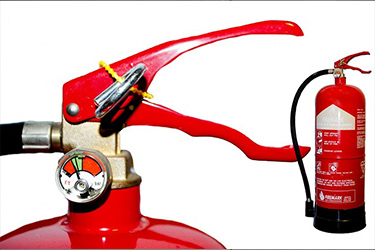 Fire safety is a crucial consideration for tiny homes, especially those with wood or pellet stoves, due to the increased risk of fire. Key safety measures include:
- Having a fire extinguisher readily accessible near any heating source is essential to quickly address potential fire emergencies.
- Ensuring proper ventilation of heating systems.
- Performing regular maintenance of heating systems to prevent accidental fires.
Ensuring that all heating devices are installed in accordance with manufacturer guidelines and local codes can significantly reduce fire risk in tiny homes.
Heating a Tiny Home Summary
In conclusion, heating a tiny house effectively requires careful consideration of various factors, including the size of the home, insulation quality, and the specific heating needs of the occupants. From electric heaters and radiant floor heating to wood stoves and heat pumps, there are numerous heating options available that can provide comfort and efficiency in tiny homes. Each method has its pros and cons, and the best choice will depend on individual preferences, budget, and climate conditions.
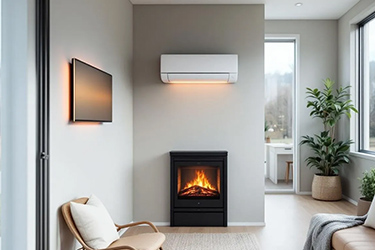 Maximizing energy efficiency through proper insulation, smart thermostats, and integrating solar power can further enhance the heating performance of tiny homes while reducing energy costs. Safety considerations, such as proper ventilation, electrical safety, and fire safety, are essential to ensure the reliable and safe operation of heating systems in these compact living spaces. By carefully selecting and maintaining the right heating solutions, tiny homeowners can enjoy a warm and comfortable living environment year-round.
Tiny House Heating Frequently Asked Questions
What is the most efficient heating system for tiny homes?
Ductless mini-split systems are the most efficient heating option for tiny homes, offering effective heating and cooling without the need for bulky ductwork. This maximizes space while maintaining comfort.
Are wood stoves safe to use in tiny houses?
Wood stoves can be safe in tiny houses when installed and maintained correctly. Ensure proper ventilation and regular cleaning to mitigate fire risks.
How can I improve the energy efficiency of my tiny house heating system?
To enhance the energy efficiency of your tiny house heating system, focus on improving insulation, sealing any gaps, utilizing smart thermostats, and considering the integration of solar power. These steps will lead to more effective heating and reduced energy consumption.
What are the safety considerations for using electric heaters in tiny homes?
To ensure safety when using electric heaters in tiny homes, maintain adequate space between the heater and nearby items, utilize safety switches, and adhere to electrical safety guidelines to prevent accidents and fire hazards.
Can I use solar power to heat my tiny house?
Absolutely, using solar power can effectively heat your tiny house, especially when paired with efficient heating systems such as heat pumps. This approach not only promotes sustainability but can also reduce your energy costs.